99%+ HPLC purityThird-party testedCOA with every lotMass-spec confirmed identityISO/IEC 17025 labsEndotoxin screenedcGMP · US facilitySame-day dispatch · tracked
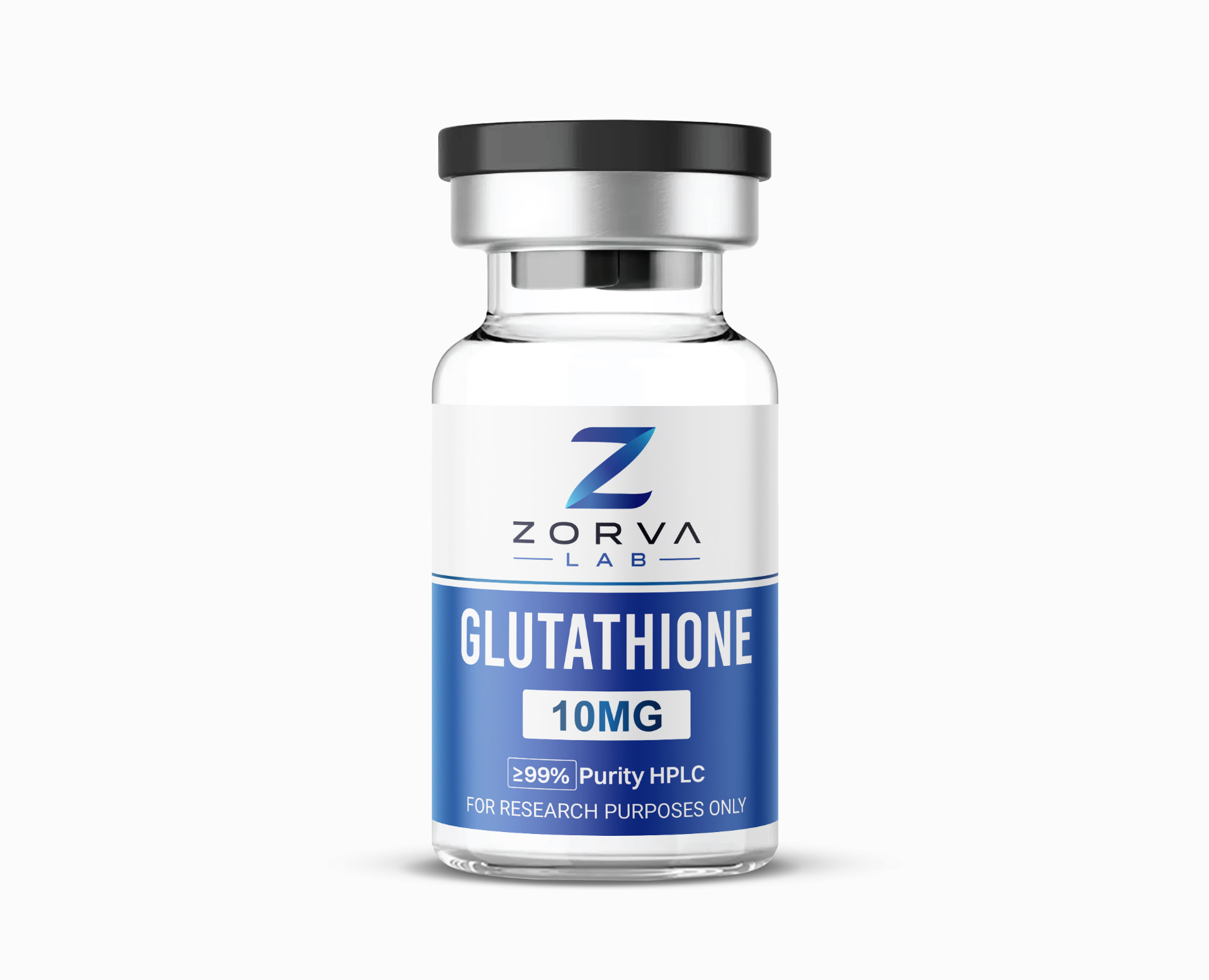
≥99% PurityL-Glutathione vial

L-Glutathione

Oxidative Stress Studies

$75.00$56.25/vial with BOGO
USA basedcGMP facilityView COA
Quantity
1
Buy 1 Get 1 50% off · auto-appliedAdd 2+ items to cart — every second vial is 50% offOffer Ends 9/15

Same day / next business day dispatch

Free Shipping on orders over $200

Secure Checkout
Third-Party Tested
Money-Back Guarantee
PassedSterility & Endotoxins
PassedNet Content & Purity
Researchers also added
$13.00
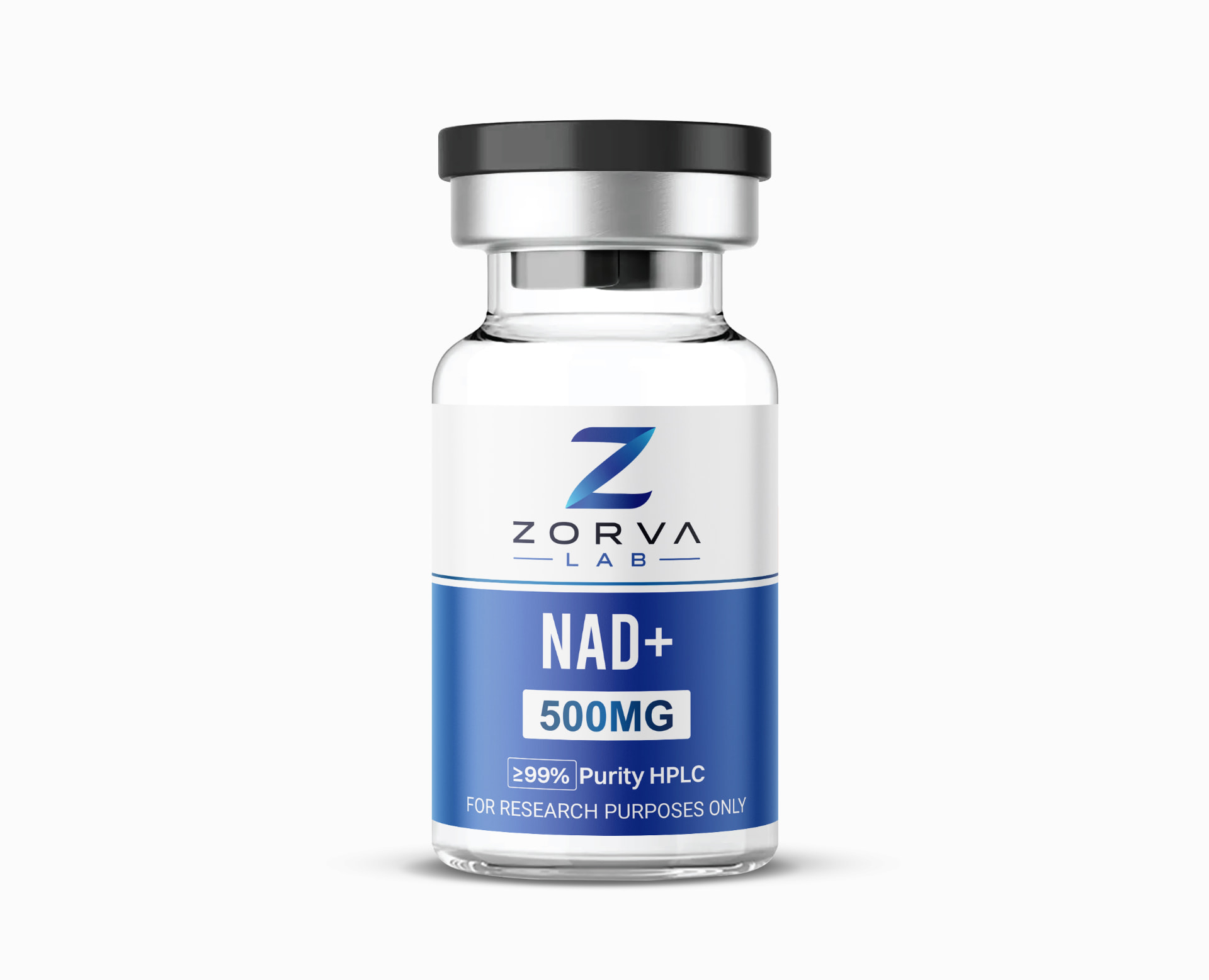
NAD+500mg
$95.00
MOTS-c10mg
$79.00
About this compound

L-Glutathione is a peptide made of three amino acids. It is the most common antioxidant found inside mammalian cells. It cycles between two forms, and the ratio between them is a standard way to measure oxidative stress. Studies have examined that ratio, along with its role in detoxification reactions. One of its chemical bonds is built differently from a normal peptide bond. That is why most enzymes cannot break it apart.

Thiol-containing tripeptide (Glu-Cys-Gly)

Formula
C₁₀H₁₇N₃O₆S
Molecular weight
307.32 g/mol
Form
Lyophilized powder
CAS / ID
70-18-8
0+
Published Studies
Redox biology & antioxidant research
0
Amino Acids
Glu-Cys-Gly tripeptide
0:1
GSH:GSSG Ratio
Physiological redox couple
0
Research Areas
Oxidative Stress & Antioxidant Defense · Ferroptosis & Lipid Peroxidation · Nrf2/HO-1 Pathway Signaling & more
How It Works

How L-Glutathione works

The pathways L-Glutathione acts on — and what each one does. Signalling pathways studied in preclinical models · illustrative.

Free Radical Scavenging

Direct Antioxidant

L-Glutathione (GSH) is a thiol-containing tripeptide that acts directly as an antioxidant, neutralizing reactive oxygen species, free radicals, peroxides, and lipid peroxides. The reactive cysteine thiol group donates electrons to stabilize oxidative species.

  • Directly scavenges ROS, free radicals and peroxides
  • Cysteine thiol group serves as the redox-active site
  • Protects cellular proteins, lipids and DNA from oxidative damage
GPx & GST Catalysis

Enzyme Cofactor

GSH is the essential co-substrate for the glutathione peroxidase (GPx) family — including GPx4, which converts toxic lipid peroxides into non-toxic alcohols and is central to ferroptosis research — and for glutathione S-transferases (GST).

  • Co-substrate for selenium-dependent GPx enzymes
  • GPx4 cofactor — a key node in ferroptosis research
  • Drives glutathione S-transferase detoxification reactions
Cellular Redox Homeostasis

Redox & Detox

The GSH:GSSG (reduced:oxidized) couple is the principal buffer of intracellular redox state. GSH also conjugates electrophilic xenobiotics for elimination and has been linked to activation of the Nrf2/HO-1 cytoprotective pathway.

  • GSH:GSSG ratio sets cellular redox tone (~100:1 when healthy)
  • Conjugates xenobiotics and electrophiles for detoxification
  • Associated with Nrf2/HO-1 antioxidant-response signaling
Uses & applications

What L-Glutathione is researched for

The main areas L-Glutathione is being studied for — and the study-reported figures behind them.

REDOX BIOLOGY

Oxidative Stress & Antioxidant Defense

GSH is the central reference antioxidant for studying redox signaling, free-radical chemistry, and cellular oxidative-stress responses.

Frontiers Pharmacol. 2014

CELL BIOLOGY

Ferroptosis & Lipid Peroxidation

As the GPx4 cofactor, glutathione is a key node in ferroptosis research — the iron-dependent, lipid-peroxidation form of regulated cell death.

Cell Death & Disease 2023

CYTOPROTECTION

Nrf2/HO-1 Pathway Signaling

In vitro studies report glutathione protects cells from oxidative cytotoxicity in part by activating the Nrf2/HO-1 antioxidant-response pathway.

Lee et al. 2019

BIOCHEMISTRY

Detoxification & Redox Defense

Glutathione is studied as the principal substrate of the GST detoxification system and the master buffer of intracellular redox state.

Rai R. 2021

Study-reported magnitudes

Representative figures from published research. Bars fill as you scroll.

  • Hydrogen Peroxide ReductionPrimary GPx substrate
  • Lipid Peroxide DetoxificationGPx4-mediated
  • Xenobiotic ConjugationGST-catalyzed
  • Cellular GSH:GSSG Ratio (healthy)~100:1

Figures are representative of published research findings and shown for reference.

Third-Party Verified

Independently tested. Verifiably pure.

Every batch of L-Glutathione is sent to an accredited independent laboratory before it ships. Here is what we screen for.

  • HPLC Purity AnalysisConfirms the peptide is ≥99% pure
  • Mass SpectrometryVerifies the exact molecular identity
  • Heavy Metals ScreeningLead, arsenic, cadmium & mercury — Pass
  • Endotoxins (LAL)Bacterial endotoxin levels — Pass
  • Sterility TestingNo microbial contamination — Pass
  • Net Peptide ContentActual peptide mass per vial verified
Compound Information

Full specification

Chemical NameL-Glutathione (reduced, GSH)
Sequenceγ-L-Glutamyl-L-Cysteinyl-Glycine
Molecular Weight307.32 g/mol
Molecular FormulaC₁₀H₁₇N₃O₆S
Content1500 mg per vial
FormLyophilized powder
Purity≥99% (HPLC verified)
TestingThird-party HPLC, Mass Spec, Endotoxin
Storage-20°C for long-term stability
SolubilityWater-soluble
COAIncluded with every order
FAQ

Common questions about L-Glutathione

L-Glutathione (GSH) is a tripeptide composed of glutamate, cysteine, and glycine. It is the most abundant intracellular antioxidant in human cells and is often called the "master antioxidant" for its central role in redox homeostasis, enzymatic detoxification, and protection against oxidative damage.

Glutathione works in two ways: directly, by using its reactive cysteine thiol group to neutralize free radicals and peroxides; and indirectly, as the essential co-substrate for glutathione peroxidase (GPx) and glutathione S-transferase (GST) enzymes that detoxify hydrogen peroxide, lipid peroxides, and electrophilic compounds.

The GSH:GSSG ratio compares reduced glutathione (GSH) to its oxidized disulfide form (GSSG). In healthy cells this ratio is high — roughly 100:1 — and it serves as a key indicator of cellular redox status. A falling ratio is widely used in research as a marker of oxidative stress.

Reduced glutathione (GSH) is the active antioxidant form with a free thiol group. When it neutralizes an oxidant, two GSH molecules join to form oxidized glutathione (GSSG). The enzyme glutathione reductase regenerates GSH from GSSG, keeping the antioxidant pool replenished.

Research-grade glutathione is used to study oxidative stress and antioxidant defense, ferroptosis and lipid peroxidation (via GPx4), xenobiotic detoxification, the Nrf2/HO-1 cytoprotective pathway, and redox involvement in models of aging and neurodegeneration.

Lyophilized L-Glutathione should be stored at -20°C, protected from light and moisture. Reduced glutathione oxidizes readily in solution, so the lyophilized material is the stable form for storage.

For Research Use Only.

Not for human or veterinary use. For in-vitro laboratory research only. These statements have not been evaluated by the FDA; this product is not intended to diagnose, treat, cure, or prevent any disease. Sold exclusively to qualified researchers and institutions.

Back to catalog