Blog
News, research context and lab notes. For research use only.
 Peptide reference
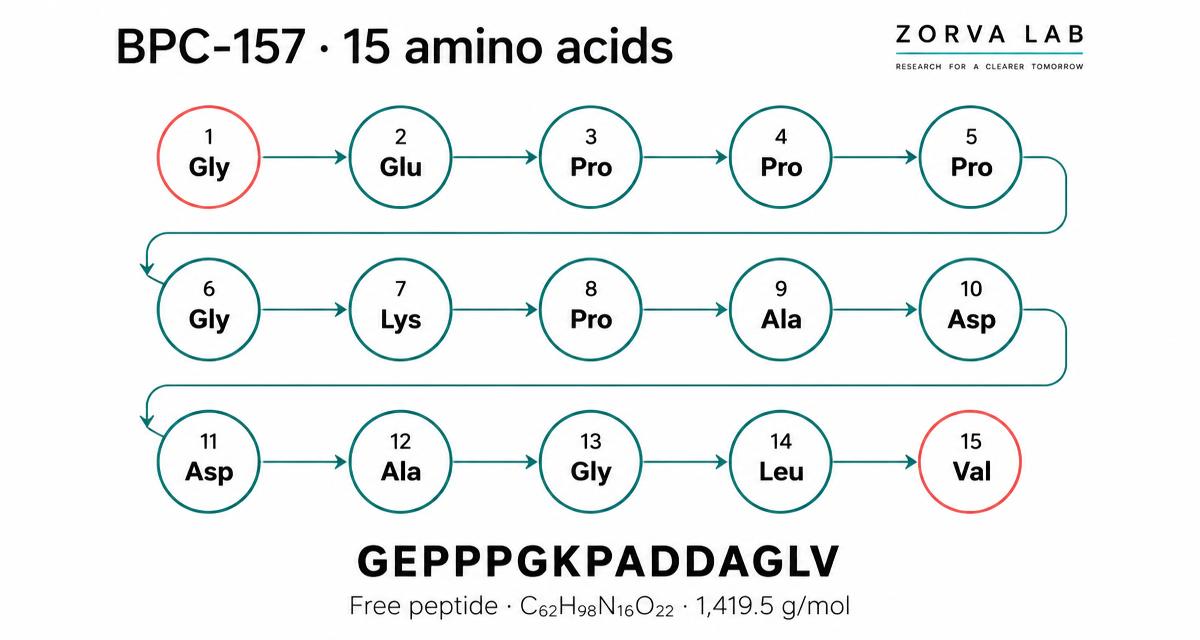
BPC-157 in 2026: Identity, Salt Forms, Stability and Regulatory Status
BPC-157 for researchers: sequence, free base vs. acetate, stability, what FDA's 2026 review found, and where the July PCAC vote leaves it.
 Analytical methods
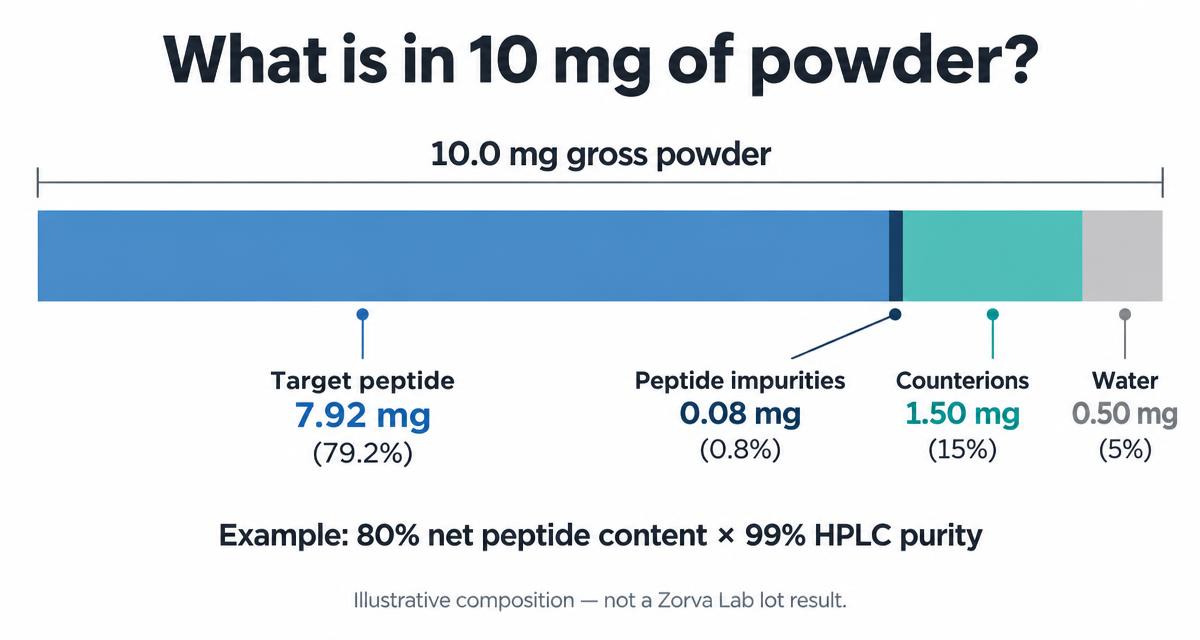
Net Peptide Content vs. HPLC Purity: Why a 10 mg Vial Isn't 10 mg of Peptide
HPLC purity and net peptide content measure different things. See how counterions, water and TFA change how much peptide is really in a vial.
- Molecular comparison
GLP-1, "GLP-2" and "GLP-3": Semaglutide, Tirzepatide and Retatrutide Compared at the Molecular Level
Is retatrutide really “GLP-3”? A molecular comparison of semaglutide, tirzepatide and retatrutide: receptor targets, structure, mass and 2026 status.
- Lab practice
Lyophilized Peptide Storage and Handling for Labs
Practical lab guidance on storing lyophilized peptides: temperature, moisture and light control, equilibrating vials, reconstitution technique and aliquoting to avoid freeze-thaw cycles.
- Analytical methods
HPLC vs. Mass Spectrometry: What Each Test Confirms
HPLC measures purity; mass spectrometry confirms identity. Learn what each analytical method shows, its limits, and why peptide lots need both.
- Documentation
How to Read a Certificate of Analysis (COA)
A field-by-field walkthrough of a peptide Certificate of Analysis: lot numbers, HPLC purity, mass spec identity, appearance and what to check before a vial reaches your bench.