Lyophilized Peptide Storage and Handling for Labs
Practical lab guidance on storing lyophilized peptides: temperature, moisture and light control, equilibrating vials, reconstitution technique and aliquoting to avoid freeze-thaw cycles.
Lyophilization (freeze-drying) removes water from a peptide, producing a dry powder or cake that is far more stable than a solution. Stability still depends on how the material is stored and handled once it arrives in the lab.
Storing dry (lyophilized) material
- Long-term: −20 °C or colder in a sealed vial is the common reference condition.
- Short-term: 2–8 °C refrigeration is generally acceptable for weeks; room temperature exposure during shipping is typically tolerated by lyophilized material.
- Keep vials protected from light and in a low-humidity environment — a sealed container with desiccant works well.
- Label secondary containers with compound, lot number and date received.
Controlling moisture
Lyophilized peptides are hygroscopic. Before opening a vial taken from the freezer or refrigerator, allow it to reach room temperature (often 15–30 minutes) while still sealed. Opening a cold vial causes condensation on the powder, which accelerates degradation and makes accurate weighing harder.
Reconstitution technique
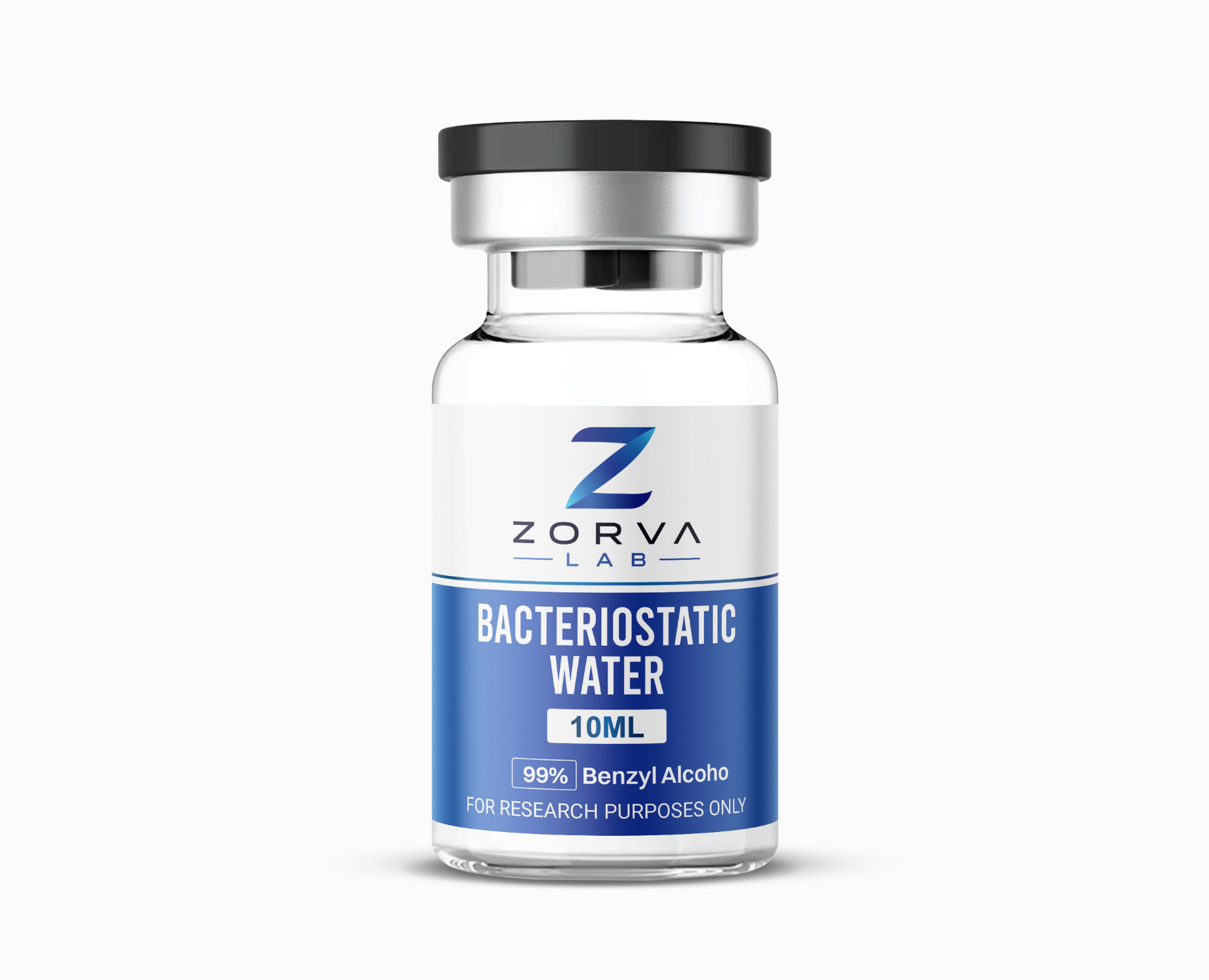
- Choose a solvent appropriate to the sequence and your assay (sterile water, bacteriostatic water, dilute acetic acid or a buffer, depending on solubility).
- Add solvent slowly down the side of the vial rather than directly onto the cake.
- Swirl or roll gently to dissolve; avoid vigorous shaking, which can promote aggregation and foaming.
- Record the final concentration, solvent, date and your initials on the vial.
Storing solutions
Peptides in solution degrade faster than dry material. Residues such as Cys, Met and Trp are prone to oxidation, and Asn/Gln can deamidate. Store solutions refrigerated for short-term use or aliquot and freeze for longer periods.
- Aliquot into single-use volumes to avoid repeated freeze-thaw cycles.
- Use low-binding tubes for dilute solutions to reduce adsorption losses.
- Discard solutions showing cloudiness, particulates or color change.
Documentation
Keep each lot's Certificate of Analysis with your storage log so any unexpected result can be traced back to a specific lot and handling history.
Verify it yourself
Every Zorva Lab lot has its HPLC and mass spec results published before you order.
Browse the COA library →Related compounds
More research guides
All Zorva Lab products are sold strictly for laboratory research use only. Not for human or veterinary use. This guide is educational and describes laboratory practice only.