99%+ HPLC purityThird-party testedCOA with every lotMass-spec confirmed identityISO/IEC 17025 labsEndotoxin screenedcGMP · US facilitySame-day dispatch · tracked
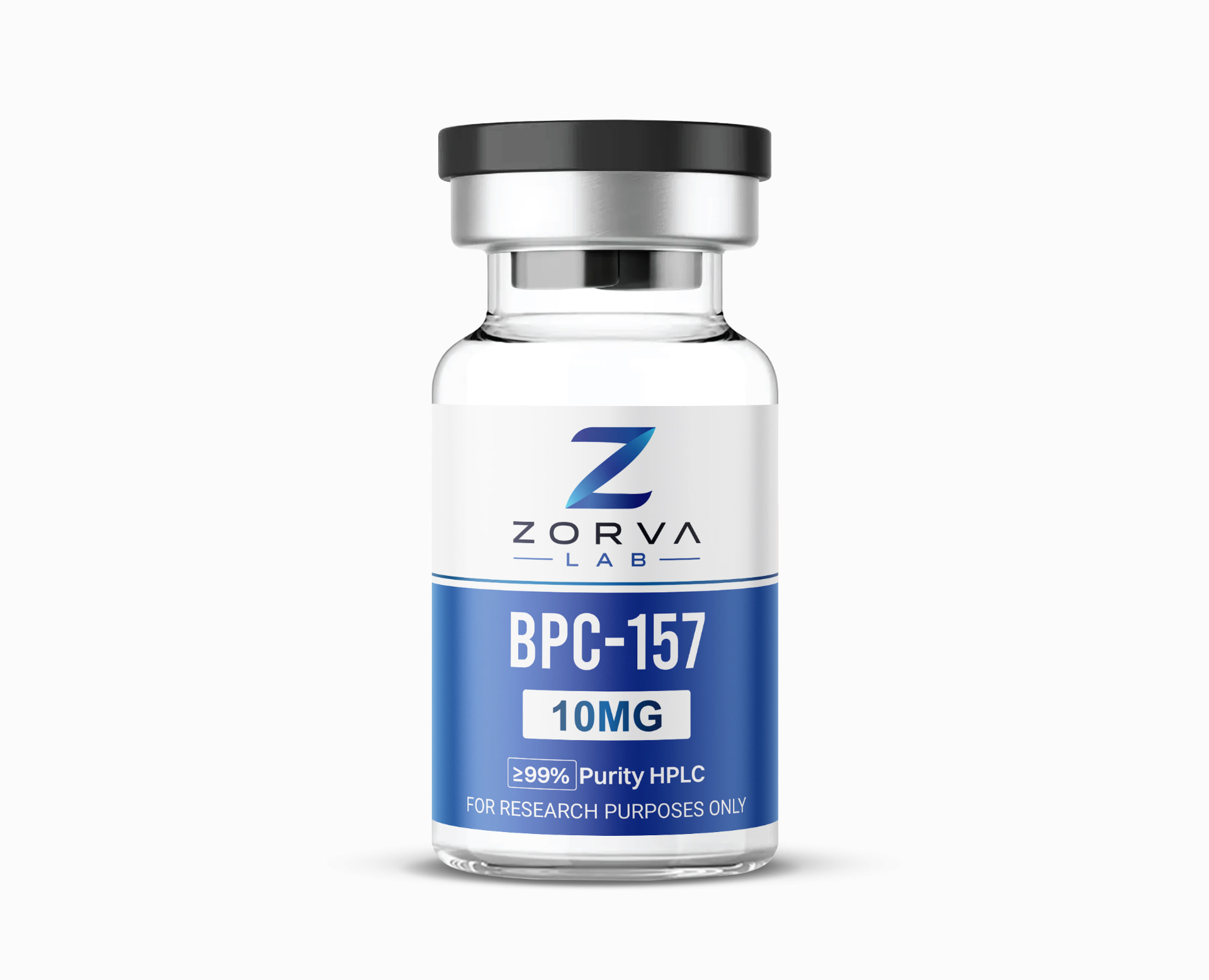
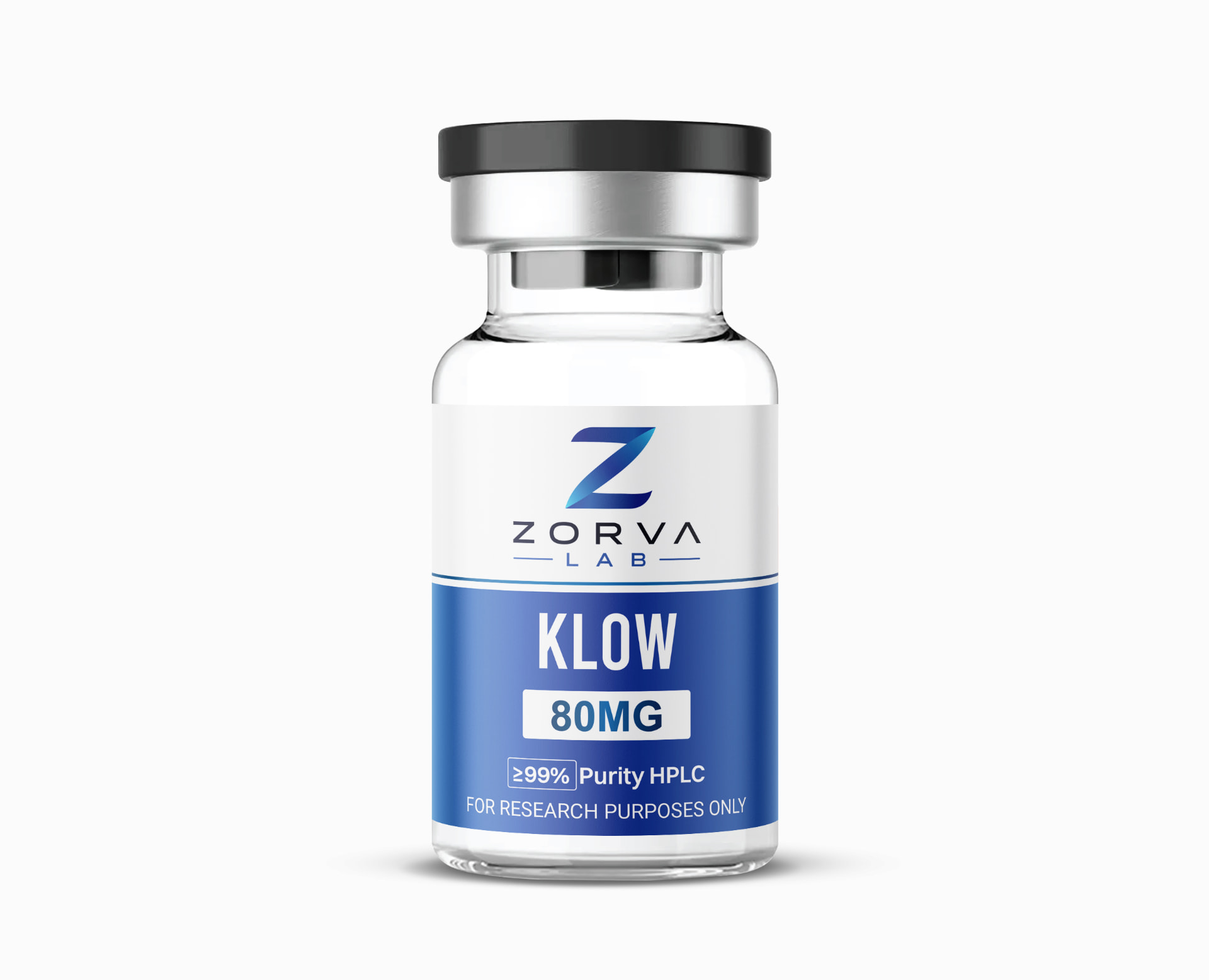
≥99% PurityBPC-157 vial

BPC-157

Tissue Repair Studies

$65.00$48.75/vial with BOGO
USA basedcGMP facilityView COA
Quantity
1
Buy 1 Get 1 50% off · auto-appliedAdd 2+ items to cart — every second vial is 50% offOffer Ends 9/15

Same day / next business day dispatch

Free Shipping on orders over $200

Secure Checkout
Third-Party Tested
Money-Back Guarantee
PassedSterility & Endotoxins
PassedNet Content & Purity
Researchers also added
$13.00
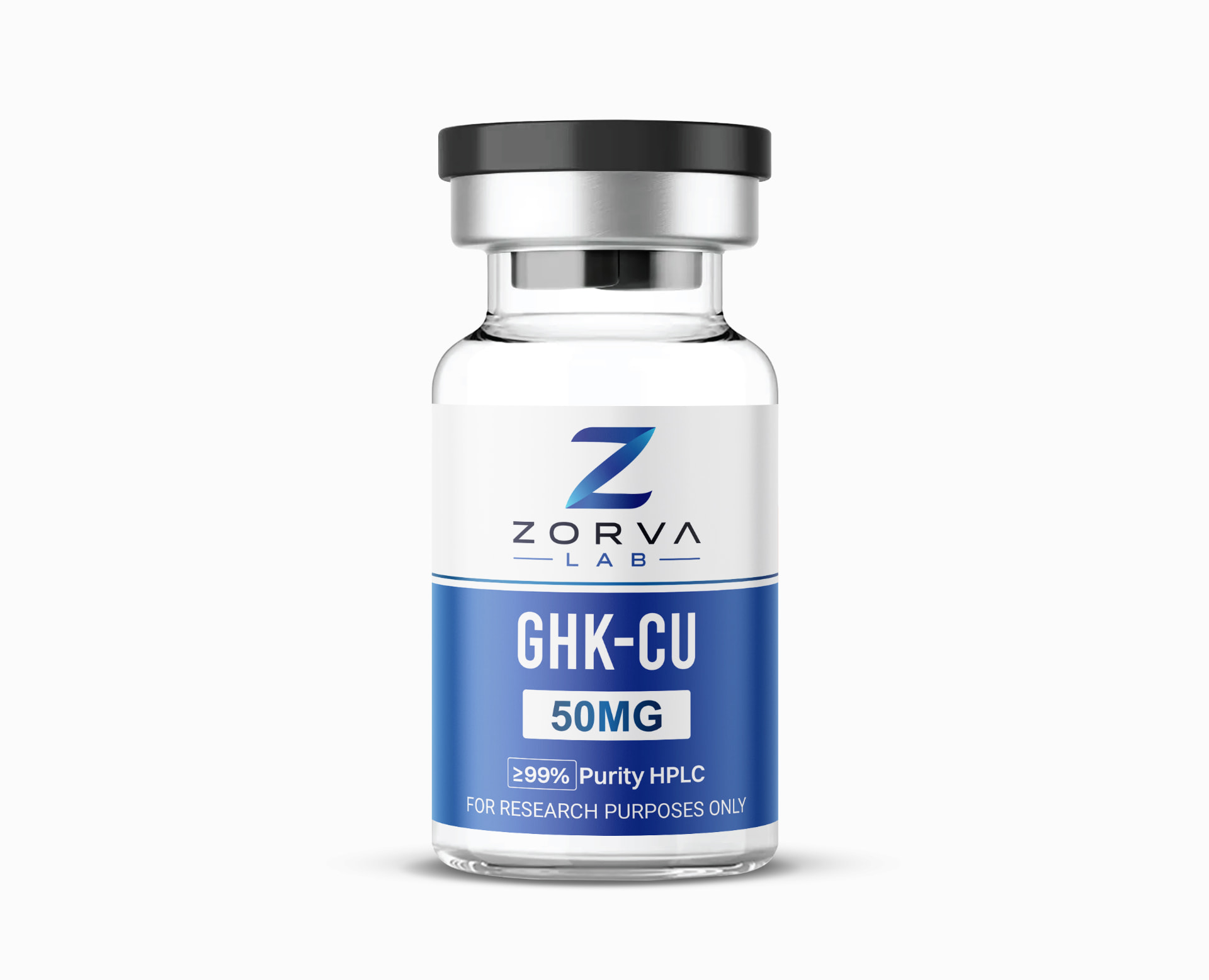
GHK-Cu50mg
$65.00
$135.00
About this compound

BPC-157 is a synthetic peptide, 15 amino acids long. It copies part of a larger protein found in human stomach fluid. Research in animal models has measured new blood vessel growth, how tendon cells move and spread, and how tissue repairs after injury. It holds up in stomach acid better than most peptides, which is unusual and has been studied on its own.

Synthetic pentadecapeptide (15 amino acids)

Formula
C62H98N16O22
Molecular weight
1419.53 g/mol
Form
Lyophilized powder
CAS / ID
137525-51-0
0+
Published Studies
Preclinical research papers
0
Amino Acid Sequence
Synthetic pentadecapeptide
GHR Upregulation
Tendon fibroblasts by day 3
0
Research Areas
Tendon & Ligament · Gut Protection · Brain & Nervous System & more
How It Works

How BPC-157 works

The pathways BPC-157 acts on — and what each one does. Signalling pathways studied in preclinical models · illustrative.

Angiogenesis & Vascular Support

VEGF Pathway

BPC-157 upregulates vascular endothelial growth factor (VEGF) expression, promoting new blood vessel formation and enhancing blood supply to injured tissue in preclinical models.

  • Promotes blood vessel formation (angiogenesis)
  • Enhances VEGF receptor expression
  • Modulates nitric oxide signaling (NO system)
GHR Upregulation

Growth Hormone

Research demonstrates BPC-157 enhances growth hormone receptor expression in tendon fibroblasts by 7× within 3 days, supporting tissue repair signaling cascades.

  • 7× growth hormone receptor upregulation
  • Enhances tendon fibroblast viability
  • Supports collagen synthesis signaling
Tissue Protection & Repair

Cytoprotective

BPC-157 demonstrates broad cytoprotective properties across multiple organ systems in animal studies, with particular relevance to gastrointestinal and musculoskeletal tissues.

  • Gastric mucosal protection
  • Accelerated wound closure in animal models
  • Neuroprotective properties observed
Uses & applications

What BPC-157 is researched for

The main areas BPC-157 is being studied for — and the study-reported figures behind them.

Musculoskeletal

Tendon & Ligament

Accelerated healing of Achilles tendon, MCL, and rotator cuff injuries in rat models with improved collagen fiber organization.

Chang et al. 2014

Gastrointestinal

Gut Protection

Cytoprotective effects against NSAID-induced damage, alcohol lesions, and inflammatory bowel disease models.

Sikiric et al. 2011

Neuroprotective

Brain & Nervous System

Demonstrated neuroprotective effects in traumatic brain injury and peripheral nerve damage models with improved recovery markers.

Sikiric et al. 2016

Vascular

Blood Vessel Repair

Promotes angiogenesis and accelerates blood vessel healing after surgical transection in animal models via NO system modulation.

Sikiric et al. 2019

Study-reported magnitudes

Representative figures from published research. Bars fill as you scroll.

  • Tendon Healing Rate72%
  • GHR Expression Increase700%
  • Gastric Lesion Reduction85%
  • Collagen Fiber Organization68%

Figures are representative of published research findings and shown for reference.

Third-Party Verified

Independently tested. Verifiably pure.

Every batch of BPC-157 is sent to an accredited independent laboratory before it ships. Here is what we screen for.

  • HPLC Purity AnalysisConfirms the peptide is ≥99% pure
  • Mass SpectrometryVerifies the exact molecular identity
  • Heavy Metals ScreeningLead, arsenic, cadmium & mercury — Pass
  • Endotoxins (LAL)Bacterial endotoxin levels — Pass
  • Sterility TestingNo microbial contamination — Pass
  • Net Peptide ContentActual peptide mass per vial verified
Compound Information

Full specification

SequenceGly-Glu-Pro-Pro-Pro-Gly-Lys-Pro-Ala-Asp-Asp-Ala-Gly-Leu-Val
Molecular Weight1419.53 Da
Molecular FormulaC₆₂H₉₈N₁₆O₂₂
FormLyophilized powder (5mg)
Purity≥99% (HPLC verified)
TestingThird-party HPLC, Mass Spec, Endotoxin
Storage-20°C for long-term stability
SolubilityWater-soluble
COAIncluded with every order
FAQ

Common questions about BPC-157

BPC-157 (Body Protection Compound-157) is a synthetic 15-amino acid peptide derived from a larger protein found in human gastric juice. It was discovered during research at the University of Zagreb, Croatia, and has been studied extensively in animal models for its tissue-protective and regenerative properties.

No. BPC-157 is not approved by the FDA or any regulatory agency for human use. It is classified as an unapproved drug. The FDA has issued warnings about BPC-157 being found in compounded products and dietary supplements. Only one Phase I clinical trial has been registered, and no Phase 2 or 3 trials have been completed.

Preclinical research (animal studies) has shown BPC-157 may accelerate healing of tendons, ligaments, muscles, and bones; protect the gastrointestinal tract from ulcers and inflammation; have neuroprotective effects in brain injury models; and promote blood vessel formation. All findings are from animal studies — no human clinical data exists.

BPC-157 has been studied in rodent models and in cultured cell systems, where published protocols examine tissue-repair and gastrointestinal endpoints. Study design, concentrations and endpoints differ between publications — consult the primary literature for the parameters used in each experiment.

No lethal dose was reached in preclinical toxicology studies, and no significant adverse effects have been reported in published research. However, BPC-157 has never completed human clinical trials, so its safety profile in humans is unknown. It should only be used for in vitro laboratory research.

Lyophilized (powder) form should be stored at -20°C for long-term stability, protected from light and moisture. BPC-157 is notably stable — it resists hydrolysis, enzymatic degradation, and gastric acid.

For Research Use Only.

Not for human or veterinary use. For in-vitro laboratory research only. These statements have not been evaluated by the FDA; this product is not intended to diagnose, treat, cure, or prevent any disease. Sold exclusively to qualified researchers and institutions.

Back to catalog