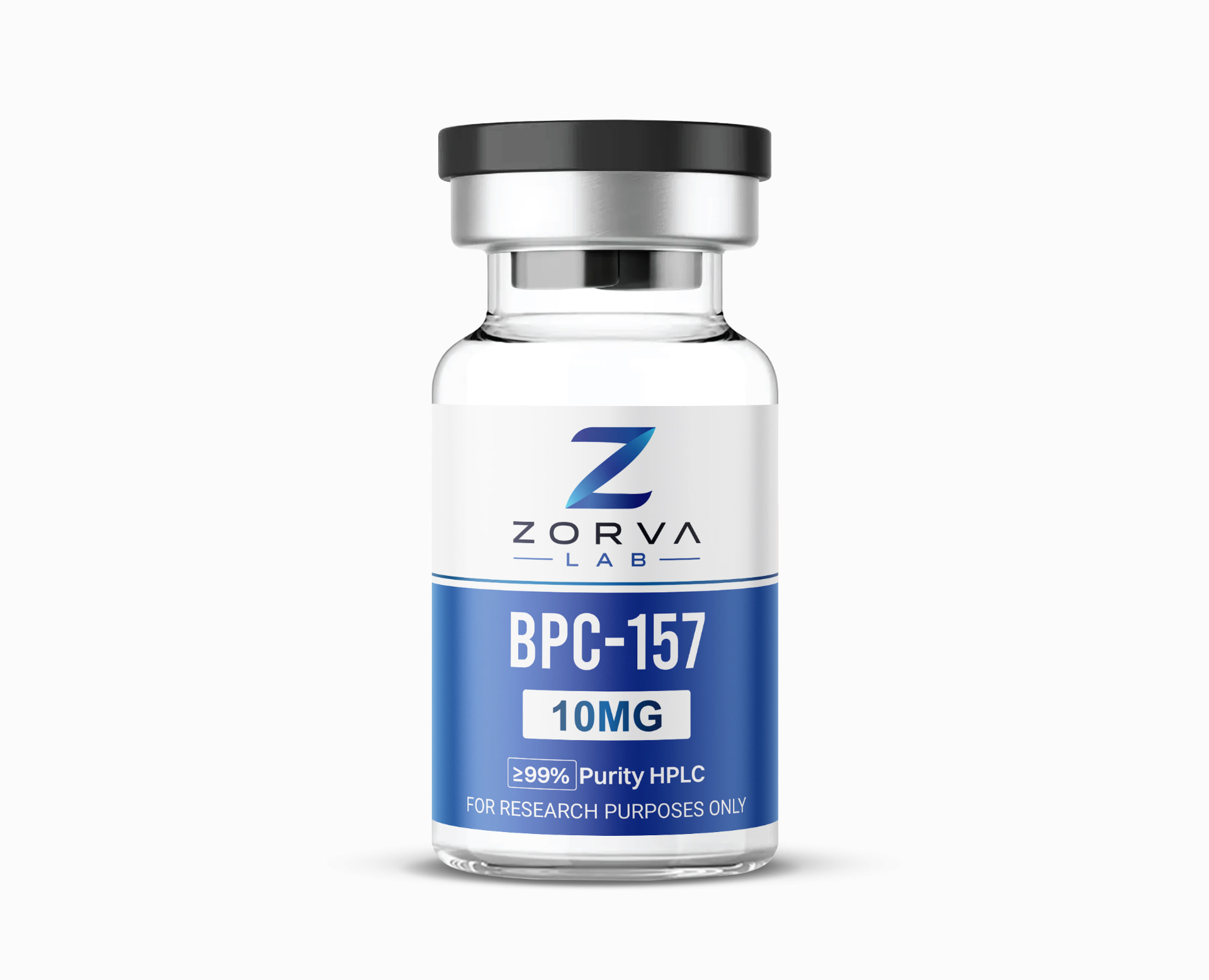
99%+ HPLC purityThird-party testedCOA with every lotMass-spec confirmed identityISO/IEC 17025 labsEndotoxin screenedcGMP · US facilitySame-day dispatch · tracked
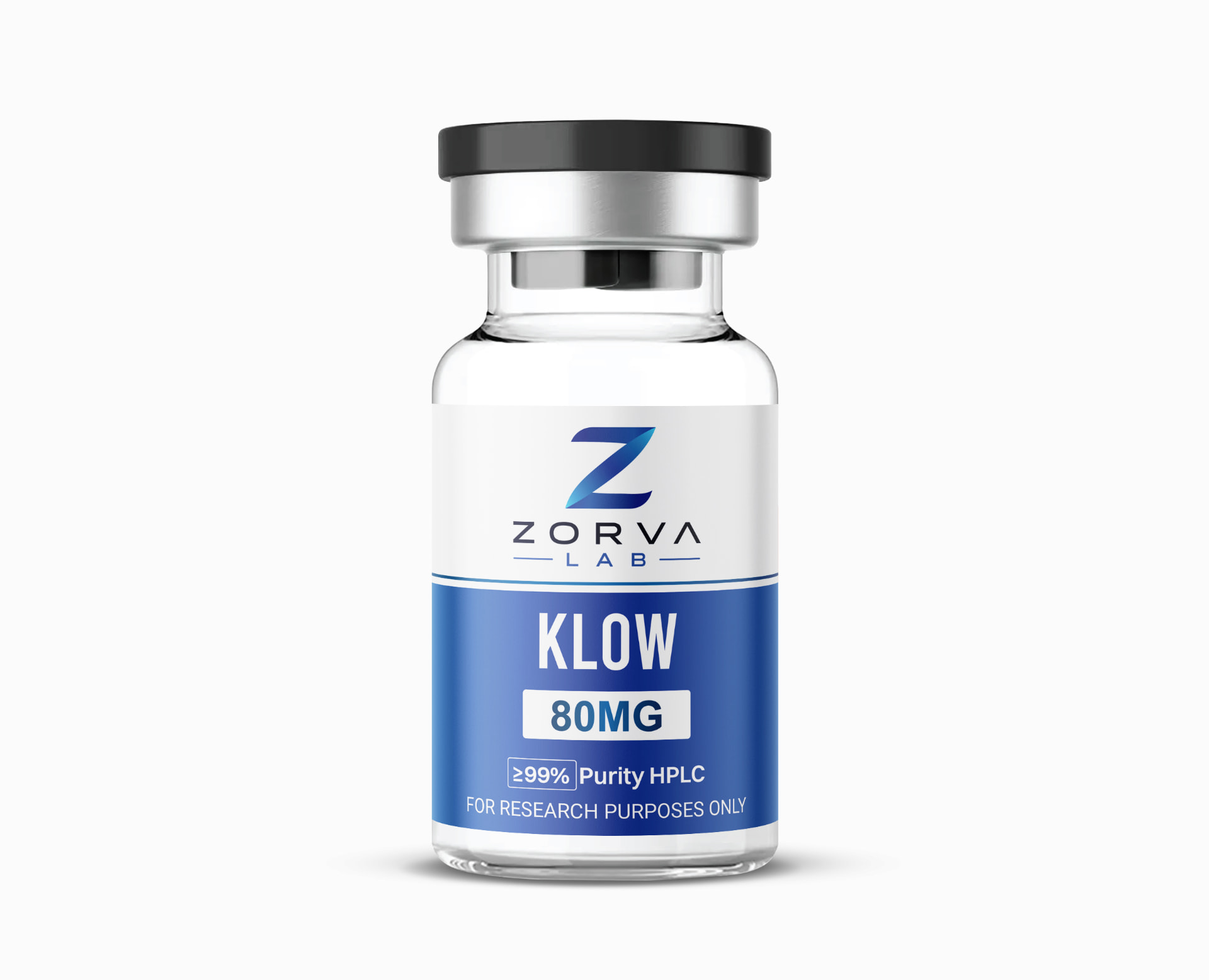
≥99% PurityKLOW Blend vial

KLOW Blend

Regenerative Peptide Blend

$135.00$101.25/vial with BOGO
USA basedcGMP facilityView COA
Quantity
1
Buy 1 Get 1 50% off · auto-appliedAdd 2+ items to cart — every second vial is 50% offOffer Ends 9/15

Same day / next business day dispatch

Free Shipping on orders over $200

Secure Checkout
Third-Party Tested
Money-Back Guarantee
PassedSterility & Endotoxins
PassedNet Content & Purity
Researchers also added
$13.00
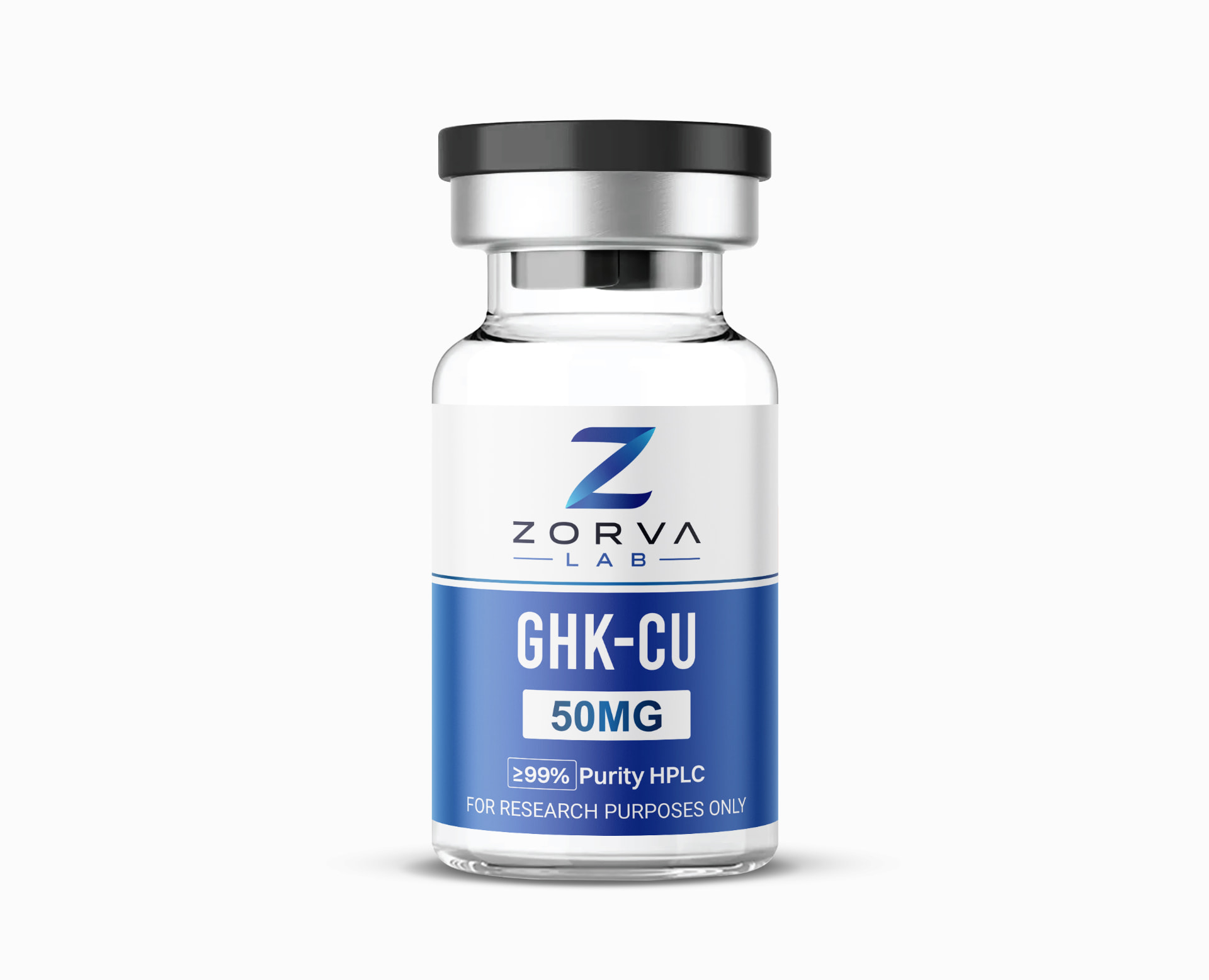
GHK-Cu50mg
$65.00
$65.00
About this compound

KLOW is a blend. Several peptides are combined and freeze-dried into a single 80 mg vial. Research on the individual ingredients covers collagen production, inflammation signaling, new blood vessel growth, and cell structure. Blends are supplied for researchers who want to test several pathways at once and compare the result against single compounds.

Four-peptide research blend (GHK-Cu, TB-500, BPC-157, KPV)

Formula
Mixture (GHK-Cu + TB-500 + BPC-157 + KPV)
Form
Lyophilized powder
Purity
≥99% (HPLC verified)
Vial size
80mg
0
Peptides Combined
GHK-Cu · TB-500 · BPC-157 · KPV
0mg
Total Peptide
Recovery & repair research blend
Multi
Pathway Coverage
Repair, angiogenesis, anti-inflammatory
0
Research Areas
Tendon, Muscle & Connective Tissue · Cell Migration & Angiogenesis · Skin, Collagen & Wound Models & more
How It Works

How KLOW Blend works

The pathways KLOW Blend acts on — and what each one does. Signalling pathways studied in preclinical models · illustrative.

Tissue Repair & Angiogenesis

BPC-157 + TB-500

In preclinical research, BPC-157 promotes skin, tendon, muscle and bone healing through growth-factor upregulation and angiogenic signaling. TB-500 (a thymosin β-4 fragment) is studied for promoting cell migration, reducing fibrosis, and enhancing regeneration across multiple injury models.

  • BPC-157: growth-factor upregulation and angiogenesis in repair models
  • TB-500: actin-binding effects on cell migration and regeneration
  • Both studied across tendon, muscle, cardiac and dermal injury models
Matrix & Collagen Support

GHK-Cu

GHK-Cu is a copper-binding tripeptide studied for enhancing collagen and elastin synthesis, supporting angiogenesis, and stimulating fibroblast migration — making it a frequent reference compound in extracellular-matrix and skin-repair research.

  • Enhances collagen and elastin synthesis in fibroblast models
  • Supports angiogenesis and fibroblast migration
  • Studied for extracellular-matrix remodeling and skin repair
Inflammation Modulation

KPV

KPV, the C-terminal tripeptide of α-MSH, inhibits NF-κB and MAP-kinase inflammatory signaling at nanomolar concentrations, reducing pro-inflammatory cytokine output — adding an anti-inflammatory axis to the blend's repair-focused components.

  • Inhibits NF-κB and MAP-kinase inflammatory signaling
  • Reduces TNF-α, IL-6 and IL-1β in research models
  • Adds an anti-inflammatory dimension to the repair blend
Uses & applications

What KLOW Blend is researched for

The main areas KLOW Blend is being studied for — and the study-reported figures behind them.

ORTHOPEDIC RESEARCH

Tendon, Muscle & Connective Tissue

BPC-157 and related repair peptides are studied in preclinical tendon, muscle and bone-healing models, with human validation still limited.

Sikiric et al. 1998

REGENERATIVE BIOLOGY

Cell Migration & Angiogenesis

BPC-157, TB-500 and GHK-Cu are frequently used together in in-vitro and ex-vivo systems to probe endothelial activity and matrix gene expression.

Ortho Sports Med. ReviewDERMATOLOGY

Skin, Collagen & Wound Models

GHK-Cu is a reference compound for collagen/elastin synthesis and fibroblast research; the blend is studied in dermal-repair contexts.

Therapeutic Peptides ReviewSPORTS MEDICINE

Recovery & Repair Pharmacology

Reviews of injectable peptide therapy examine the repair-focused peptide class, its mechanisms, and the current limits of the human evidence base.

Study-reported magnitudes

Representative figures from published research. Bars fill as you scroll.

  • BPC-157: Tendon / Muscle / Bone Healing (preclinical)Promoted
  • TB-500: Cell Migration & FibrosisEnhanced / Reduced
  • GHK-Cu: Collagen & Fibroblast ActivityStimulated
  • KPV: Pro-inflammatory CytokinesReduced

Figures are representative of published research findings and shown for reference.

Third-Party Verified

Independently tested. Verifiably pure.

Every batch of KLOW Blend is sent to an accredited independent laboratory before it ships. Here is what we screen for.

  • HPLC Purity AnalysisConfirms the peptide is ≥99% pure
  • Mass SpectrometryVerifies the exact molecular identity
  • Heavy Metals ScreeningLead, arsenic, cadmium & mercury — Pass
  • Endotoxins (LAL)Bacterial endotoxin levels — Pass
  • Sterility TestingNo microbial contamination — Pass
  • Net Peptide ContentActual peptide mass per vial verified
Compound Information

Full specification

Product TypeFour-peptide research blend
Component 1GHK-Cu 50 mg — copper-binding tripeptide
Component 2TB-500 10 mg — thymosin β-4 fragment
Component 3BPC-157 10 mg — gastric pentadecapeptide
Component 4KPV 10 mg — α-MSH C-terminal tripeptide
Total Peptide Content80 mg per vial
FormLyophilized powder
Purity≥99% (HPLC verified)
TestingThird-party HPLC, Mass Spec, Endotoxin
Storage-20°C for long-term stability
COAIncluded with every order
FAQ

Common questions about KLOW Blend

KLOW is a four-peptide research blend combining GHK-Cu (50 mg), TB-500 (10 mg), BPC-157 (10 mg) and KPV (10 mg) — 80 mg of total peptide per vial. It groups together short peptides that are individually studied in tissue-repair, regeneration and anti-inflammatory research.

BPC-157 is studied for tendon, muscle and bone healing via growth-factor signaling; TB-500 (a thymosin β-4 fragment) for cell migration and reduced fibrosis; GHK-Cu for collagen synthesis and fibroblast activity; and KPV for NF-κB-mediated anti-inflammatory effects. Together they span repair, angiogenesis, matrix support and inflammation.

Each component acts through different mechanisms relevant to tissue repair. Combining them creates a single research model that touches multiple pathways at once — angiogenesis and growth-factor signaling (BPC-157, TB-500), extracellular-matrix support (GHK-Cu), and inflammation modulation (KPV).

No. None of the four components is an FDA-approved drug for tissue-repair indications. BPC-157 specifically is not approved by the FDA or EMA, and a 2023 FDA Category 2 designation restricts injectable compounding in the United States. Research-grade KLOW is supplied strictly for in vitro laboratory research.

BPC-157, TB-500 and GHK-Cu are used in in-vitro systems, ex-vivo tissue explants and animal models to study endpoints such as endothelial-cell activity in angiogenesis assays, fibroblast-associated matrix gene expression, cell migration and wound closure. KPV is used in inflammatory-signaling research.

Lyophilized KLOW should be stored at -20°C, protected from light and moisture, to preserve the integrity of all four peptides.

For Research Use Only.

Not for human or veterinary use. For in-vitro laboratory research only. These statements have not been evaluated by the FDA; this product is not intended to diagnose, treat, cure, or prevent any disease. Sold exclusively to qualified researchers and institutions.

Back to catalog